
Across many traditional wellness systems, the belly button — known in Ayurveda as the Nabhi — is regarded as a central point of the body.
For centuries, oiling the navel has been practised as a gentle, grounding ritual, often performed in the evening as part of rest, nourishment, and balance. While modern lifestyles may have drifted away from these slower practices, many people today are rediscovering navel oiling as a meaningful form of self-care.
This article explores the traditional understanding, how people practise it today, and how to incorporate it into a modern routine with intention.
What Is Belly Button Oiling?
Belly button oiling — sometimes referred to as Nabhi Chikitsa — is a traditional practice that involves applying a few drops of oil to the navel and allowing it to absorb naturally.
In traditional belief systems:
- The navel is considered a focal point of connection
- It is thought to link to internal pathways and energetic channels
- Oiling the navel is seen as a way to support overall nourishment and balance
This practice was traditionally passed down through generations, often performed before sleep or during periods of rest.
Why the Navel Holds Traditional Significance
In Ayurveda, the Nabhi is viewed as:
- The body’s original point of nourishment
- A centre associated with digestion, grounding, and vitality
- A place where oil application is believed to gently support internal harmony
Rather than targeting symptoms, traditional practices focus on supporting the body as a whole, using ritual, consistency, and awareness.
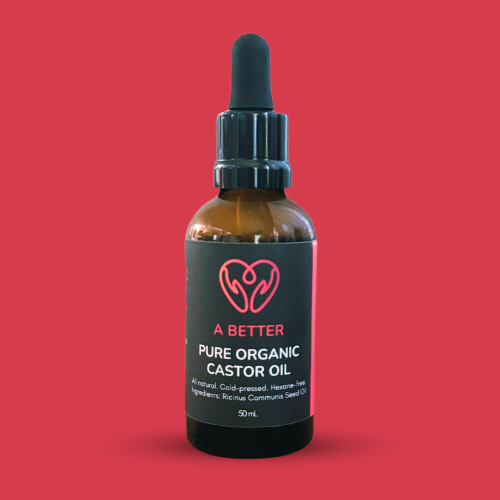
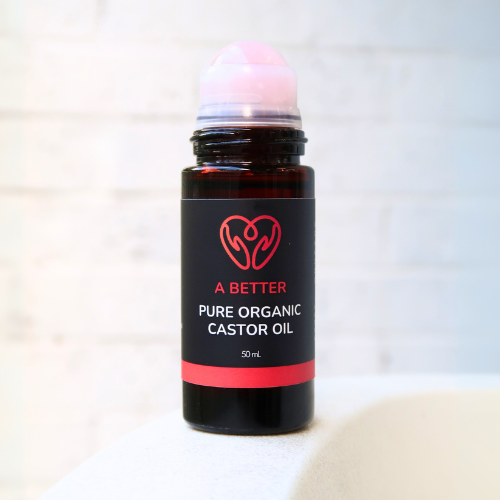
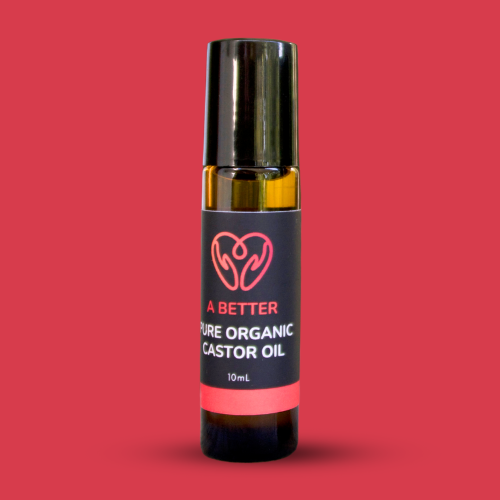
Why Castor Oil Is Traditionally Chosen
While various oils have been used historically, castor oil is commonly chosen for navel oiling because of its:
- Thick, grounding texture
- Ability to stay in place rather than quickly evaporating
- Long-standing use in traditional wellness routines
Many people prefer castor oil for evening rituals, as it encourages stillness and does not require frequent reapplication.
Shop Organic Castor Oil:
https://shop.abetter.com.au/collections/castor-oil
How People Practise Belly Button Oiling Today
Modern navel oiling is typically simple and intentional:
A common evening ritual
- Clean and dry the navel area
- Apply 2–3 drops of castor oil to the belly button
- Massage gently in a clockwise motion (optional)
- Allow the oil to absorb
- Rest or sleep
Some people place a small cotton pad over the navel to protect clothing, while others leave it uncovered.
The practice is often paired with:
- Breathwork
- Journaling
- Meditation
- Quiet reflection
How Often Is Belly Button Oiling Done?
Traditional use varies, but many people choose to practise:
- Nightly for a short period (5–7 days)
- A few times per week as an ongoing ritual
As with most traditional practices, consistency matters more than intensity.
A Practice Rooted in Tradition, Not Urgency
For many people, belly button oiling is not about chasing outcomes — it’s about slowing down.
Those drawn to traditional healing often do so because:
- They value rituals with history and meaning
- They prefer gentle, non-invasive practices
- They seek reconnection rather than intervention
Navel oiling offers a moment of pause — a reminder that care doesn’t always need to be complicated.
Supporting Products
-
Organic Castor Oil (Cold-Pressed):
https://shop.abetter.com.au/collections/castor-oil -
Castor Oil Wraps (for extended rituals):
https://shop.abetter.com.au/collections/castor-wraps
Some people combine navel oiling with wraps as part of a broader self-care routine focused on rest and grounding.
Belly Button Oiling Frequently Asked Questions
What is belly button oiling?
Belly button oiling is a traditional practice that involves applying oil to the navel as part of a holistic self-care ritual rooted in ancient wellness traditions.
Why is the navel important in traditional practices?
In Ayurveda, the navel (Nabhi) is considered a central point of nourishment and balance, traditionally associated with internal connection and grounding.
Why is castor oil used for navel oiling?
Castor oil is traditionally chosen for its thick texture and grounding quality, allowing it to remain in place and be used during rest-based rituals.
When is the best time to practise belly button oiling?
Many people practise navel oiling in the evening or before sleep, when the body is naturally transitioning into rest.
How often can belly button oiling be done?
Traditional use varies, but many people practise it a few times per week or nightly for short periods as part of an intentional routine.
Is belly button oiling a medical treatment?
No. Belly button oiling is a traditional wellness practice and is not intended to diagnose, treat, or cure medical conditions.