
Healthy-looking hair begins long before it reaches the ends. While shampoos, conditioners and styling products often focus on the visible strands, the scalp also needs consistent care.
Dryness, frequent washing, heat styling, tight hairstyles and product buildup can all leave the scalp feeling unbalanced and the hair looking dull or fragile. Introducing a nourishing hair oil into your routine can help restore softness, reduce the feeling of dryness and protect the hair from everyday stress.
The goal is not to cover the hair in heavy product. It is to use a small amount of thoughtfully blended oil with consistency and intention.
Why Scalp Care Matters
The scalp is skin, and like the skin on the rest of the body, it can become dry, tight or uncomfortable.
When scalp care is overlooked, the hair may feel rough at the roots, become more difficult to manage or appear less vibrant. Regular oiling can help soften the scalp and condition the hair close to the root, creating a more supportive foundation for healthy-looking strands.
A scalp ritual also encourages you to slow down and pay attention to how your hair feels rather than only how it looks. This makes it easier to notice dryness, buildup, breakage or changes that may need a gentler routine.
Why Use a Blended Hair Oil?
Different plant oils bring different qualities to a hair ritual.
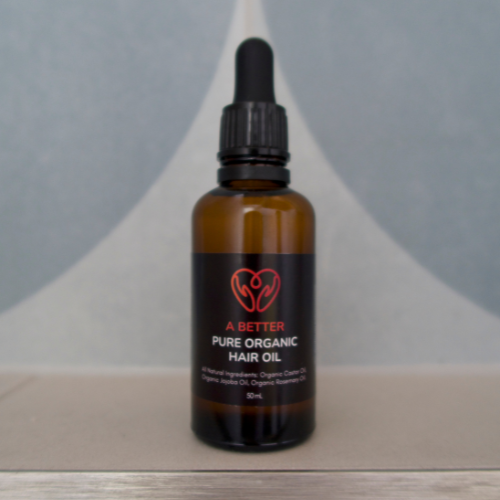
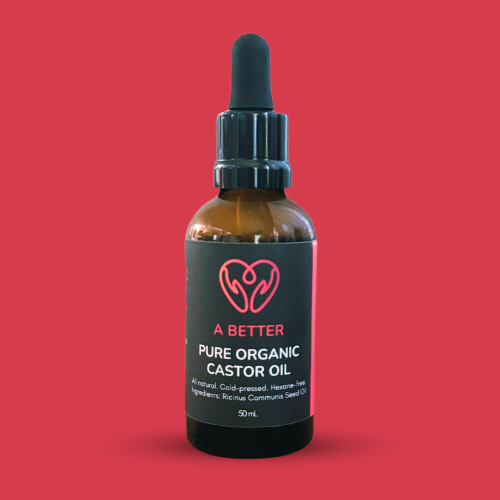
A Better’s Pure Organic Hair Oil combines three organic ingredients: castor oil, jojoba oil and rosemary oil.
Rather than relying on a long list of synthetic ingredients, this simple blend is designed to nourish the scalp, condition the strands and support softer, stronger-looking hair.
Organic castor oil
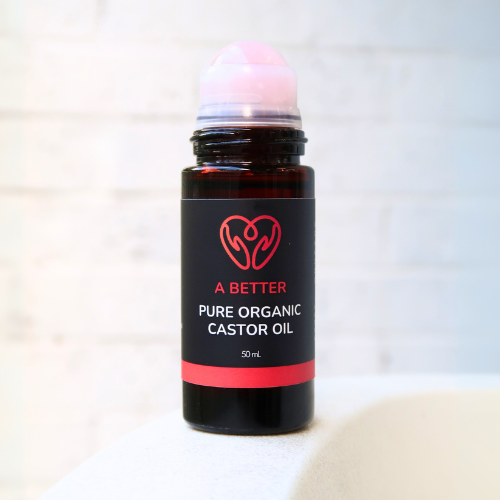
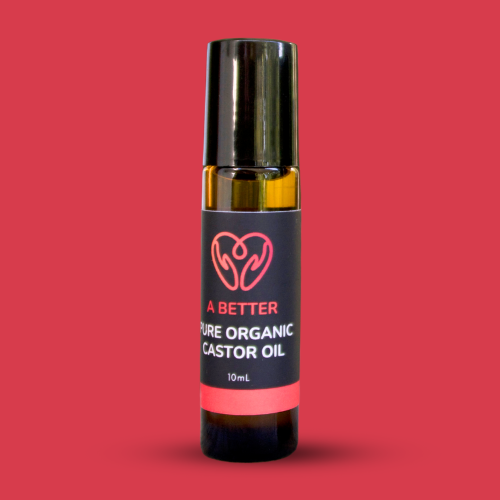
Castor oil has a rich, naturally thick texture that helps coat the hair and seal in moisture. This can be especially useful for dry ends, fragile strands and areas that are prone to breakage.
Because it is a heavier oil, a small amount is usually enough.
Organic jojoba oil
Jojoba oil has a lighter texture and is often used to soften both the hair and scalp. It helps balance the richness of castor oil, making the blend easier to spread and massage through the roots.
It can be particularly helpful when the scalp feels dry or the hair lacks softness.
Organic rosemary oil
Rosemary oil is a popular ingredient in natural scalp and hair rituals. Its fresh herbal aroma makes the application feel energising, while the oil complements a routine focused on maintaining healthy-looking hair and a well-cared-for scalp.
Together, these three oils create a balanced treatment that feels nourishing without requiring a complicated routine.
How Hair Oil Helps Protect Fragile Strands
Hair often appears thin or uneven when individual strands become dry and snap before reaching their full length.
Heat styling, colouring, friction from towels, tight hairstyles and rough brushing can all weaken the hair over time. Applying oil before washing can help coat the strands and reduce the dry, rough feeling associated with repeated cleansing.
Using a small amount on the ends between washes can also help improve softness and reduce the appearance of frizz.
Hair oil does not need to replace your existing routine. Instead, it can act as a supportive step that protects moisture and helps the hair feel more manageable.
How to Use Hair Oil as a Pre-Wash Treatment
A pre-wash treatment is one of the simplest ways to introduce hair oil without leaving the roots feeling heavy.
Step 1: Divide the hair into sections
Begin with dry hair and divide it into several sections. This makes it easier to apply the oil directly to the scalp rather than coating only the surface of the hair.
Step 2: Apply a small amount
Using the dropper from the Pure Organic Hair Oil, place a few drops along the scalp.
Start with less than you think you need. More oil does not necessarily create better results and may make washing more difficult.
Step 3: Massage gently
Use your fingertips to massage the oil into the scalp with slow, circular movements. Avoid scratching with your nails.
Take a few minutes to work across the scalp, paying attention to areas that feel particularly dry or tense.
Step 4: Smooth through the lengths
Use the remaining oil on your hands to gently coat the mid-lengths and ends. Concentrate on areas that feel dry, coarse or prone to breakage.
Step 5: Allow it to rest
Leave the oil on for approximately 30 minutes before washing. For a deeper ritual, you may leave it on longer depending on your hair type and comfort.
Step 6: Shampoo thoroughly
Wash the hair with your usual shampoo. A second light cleanse may be helpful for fine hair or when more oil has been used.
Follow with conditioner if needed.
How Often Should You Oil Your Hair?
The right frequency depends on your hair texture, scalp condition and washing routine.
Dry, coarse or curly hair may enjoy oiling once or twice a week. Fine hair may respond better to a small treatment every one or two weeks. If your scalp becomes oily quickly, focus more of the product on the lengths and ends.
Consistency is more important than using a large amount. A simple weekly ritual is often easier to maintain than an intensive routine that feels difficult or time-consuming.
Pay attention to how your hair responds and adjust the amount accordingly.
Using Hair Oil Between Washes
Hair oil can also be used sparingly as a finishing treatment.
Place one or two drops into your palms, rub your hands together and lightly smooth the oil over dry ends. Avoid applying a full dropper directly to the hair, as this can quickly make the strands feel heavy.
This method can help:
-
Soften dry ends
-
Reduce the appearance of frizz
-
Add a natural-looking sheen
-
Make coarse strands feel smoother
-
Protect areas that are prone to splitting
The key is to use only a very small amount and build gradually when needed.
Create a More Intentional Wash Day
Hair oiling can turn an ordinary wash day into a restorative ritual.
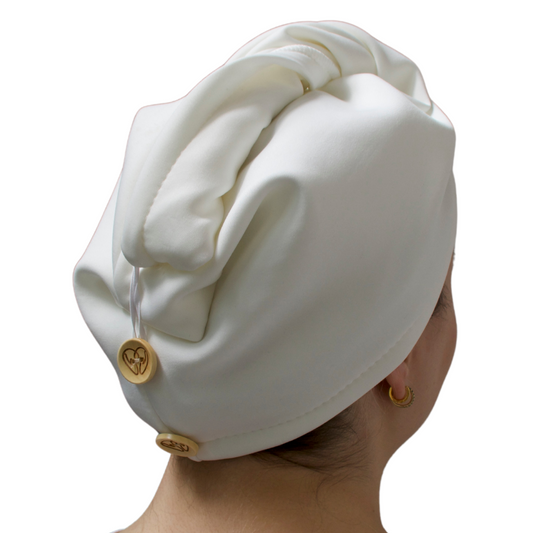
Instead of rushing directly into the shower, take a few minutes to massage the scalp, breathe slowly and allow the oil to rest. You might pair the ritual with a warm towel, gentle stretching or time away from your phone.
This creates a moment of care that supports both the condition of the hair and the way you feel while looking after it.
The A Better Pure Organic Hair Oil is made with organic castor, jojoba and rosemary oils, with no added preservatives or synthetic substances. Its amber glass dropper bottle also makes it easier to control the amount used during each application.
A Simple Foundation for Healthy-Looking Hair
A healthy hair ritual does not need dozens of products.
Regular gentle washing, careful brushing, reduced heat and consistent moisture can make a meaningful difference to the way hair looks and feels. Hair oil adds another layer of nourishment, helping support a comfortable scalp and softer, more resilient strands.
Begin with a small amount, use it consistently and allow the ritual to evolve around the needs of your own hair.
For external use only. Discontinue use if irritation occurs. Hair and scalp concerns that are persistent, sudden or severe should be discussed with a qualified healthcare professional.