
In traditional wellness rituals, oils have long been used to nourish, protect, and care for the skin. Rather than quick fixes, these practices emphasise consistency, touch, and routine.
Castor oil, in particular, has been used for generations, valued for its rich moisturising properties and grounding presence. Today, many people are returning to natural oils for a more intentional approach to self-care.
Why Castor Oil Is Used on the Skin
Castor oil stands out in traditional skin rituals because it:
- Has a naturally thick, cushioning texture
- Creates a protective, sealing layer on the skin
- Loaded with antioxidants, helping support overall cellular health
- Rich in Vitamin E
- Packed with essential fatty acids, helping to support healing and circulation
- High anti-inflammatory properties
- Is often chosen for areas prone to dryness
Because of its richness, castor oil is usually applied sparingly or focused on specific areas rather than used as an all-over daily oil.
Traditional Ways Castor Oil Is Applied to Skin
1. Dry areas & targeted care
Traditionally, castor oil is applied to:
- Elbows and knees
- Heels and feet
- Hands and cuticles
A small amount is warmed between the palms and gently massaged into the skin, often before bed.
2. Evening facial oil ritual
Some people use castor oil as part of a night-time facial ritual, applying a very small amount to damp skin.
Common approaches include:
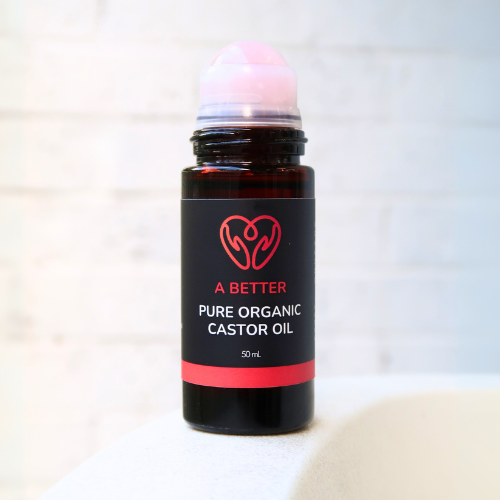
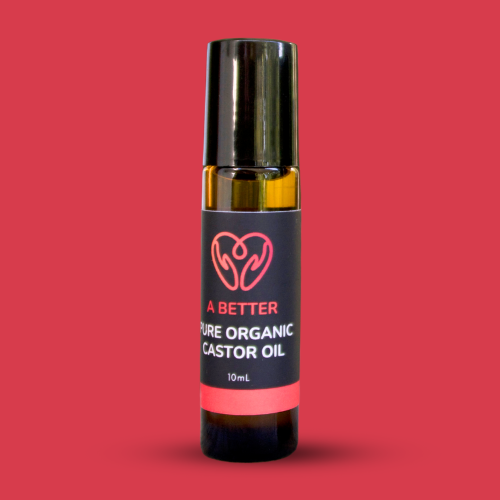
- Using castor oil in a roll-on to apply a thin layer as a daily moisturiser
- Mixing castor oil with a lighter oil
- Using it as the final step to “seal in” moisture
This practice is rooted in the belief that night-time is for nourishment and repair, when the body is at rest.
3. Body massage & self-care
In traditional settings, castor oil has been used during slow body massage, often:
- After bathing
- Before sleep
- During colder months
Massage is considered just as important as the oil itself, helping to create warmth and connection.
When to Use Castor Oil on Skin
Most traditional routines favour:
- Evening or night-time use, when the skin is not exposed to sun
- Application after bathing, while the skin is still slightly damp
This allows the oil to sit comfortably and absorb without interference.
How Often Is Castor Oil Used on Skin?
Usage varies by individual, but many people choose to:
- Apply a thin layer as a daily moisturiser before bed
- Use it seasonally (especially in dry or cold weather)
- Blend it with lighter oils like Jojoba or Coconut oil
As with all traditional practices, listening to your skin is key.
Supporting Products
-
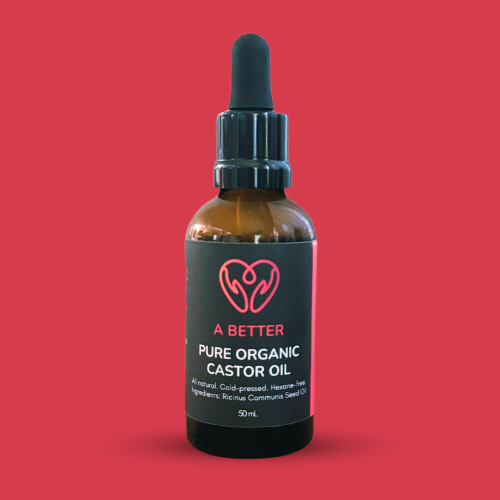
Organic Castor Oil (Cold-Pressed):
https://shop.abetter.com.au/collections/castor-oil -
Castor Oil Wraps (often paired with body rituals):
https://shop.abetter.com.au/collections/castor-wraps
Some people combine skin oiling with wraps or other oil rituals as part of a broader self-care routine.
Castor Oil for Skin Frequently Asked Questions
Can castor oil be used on skin?
Castor oil has traditionally been used externally as part of skin care and massage rituals, particularly on areas prone to dryness.
Is castor oil suitable for the face?
Some people use small amounts of castor oil in evening facial routines, often blended with lighter oils or applied only to dry areas.
When is the best time to apply castor oil to skin?
Traditional use often favours evening or night-time application, especially after bathing, when the skin is more receptive to oils.
How much castor oil should be used on skin?
Because castor oil is thick, a small amount is usually sufficient. Many people start with a few drops and adjust as needed.
How often can castor oil be used on skin?
Usage varies, but many people apply castor oil to their skin daily as part of their skin care routine.
Is castor oil a medical skin treatment?
No. Castor oil is not a medical treatment and is used as part of traditional skin care and wellness practices.